Core RulesChapter the First
In this chapter
- The New World Frontiers (Cover)
- Chapter 1 - Core Rules
- Map of the Continent
- The New World
- And War is coming...
- The basics
- The roll
- Opposed rolls
- Helping / Trying again
- Character creation steps
- Species and peoples
- Species and peoples (cont)
- Characteristics
- Starting characteristics
- Career
- Career notes
- Starting skills, talents and advances
- Derived values
- Luck
- What talents are

The New World
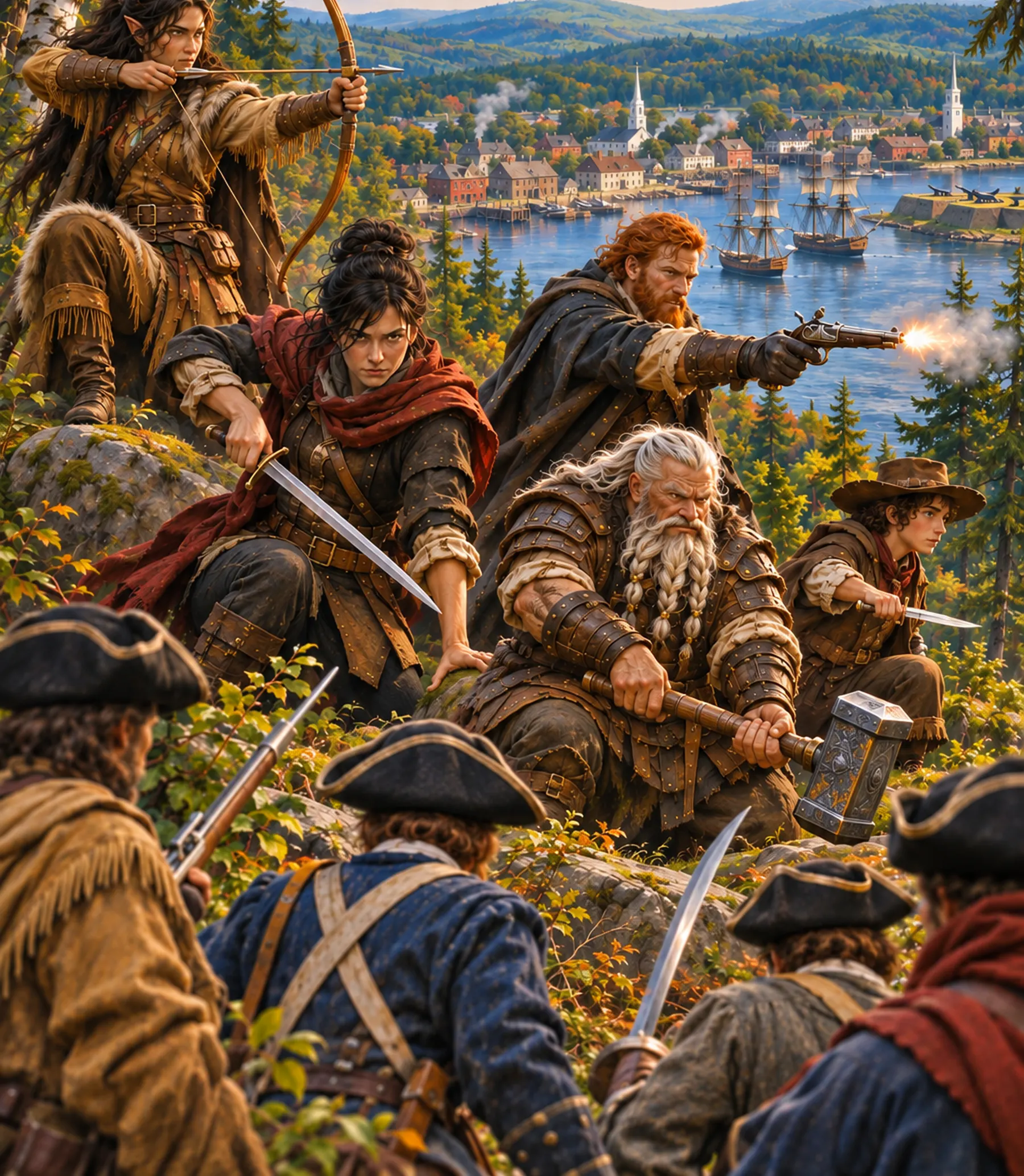
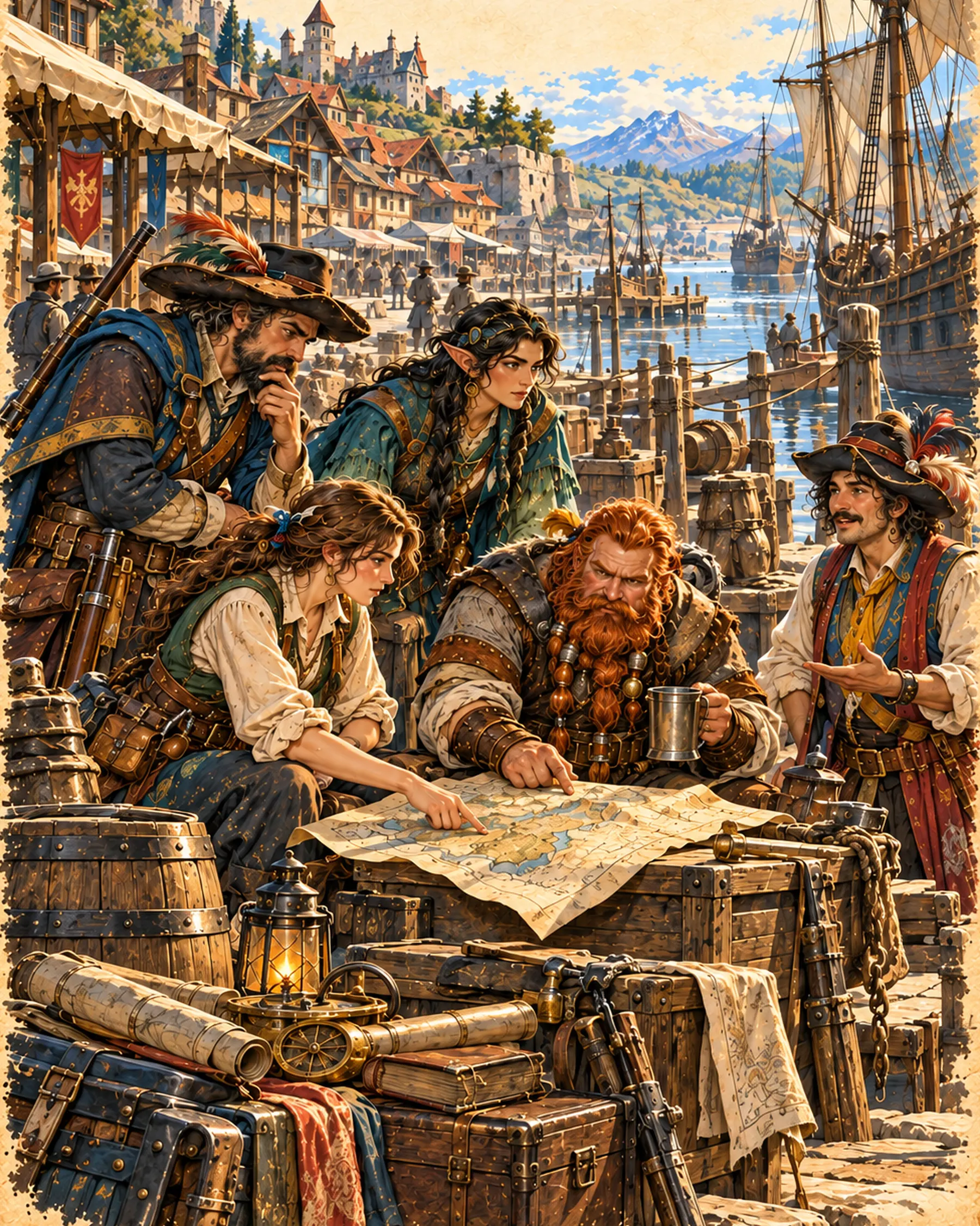
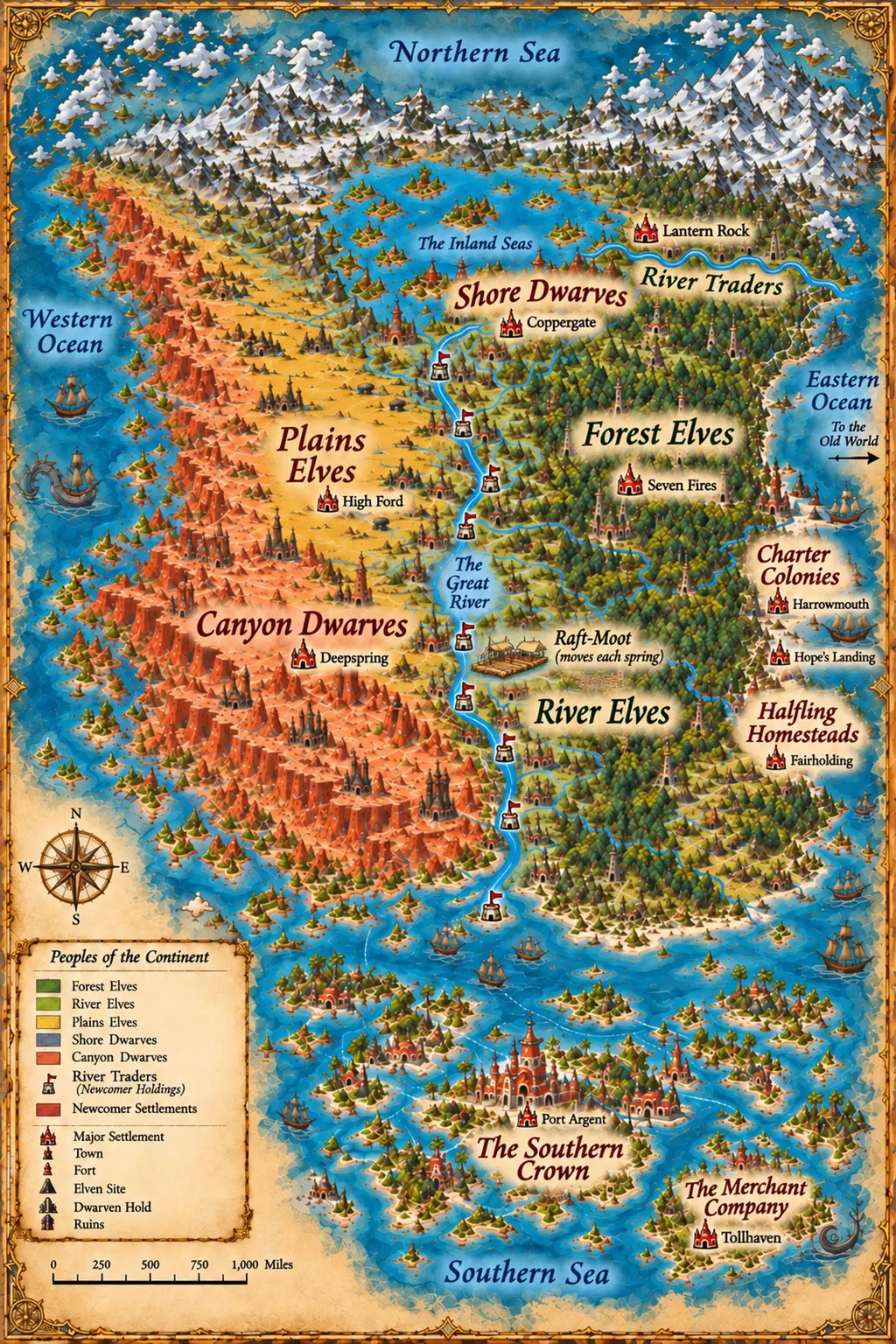
Across the Eastern Ocean from the old world lies a broad continent of deep forest, a great river, endless plains, red canyons and inland seas. Elves and dwarves have lived here for as long as anyone remembers. Nearly two centuries ago the ships came, bringing humans and halflings, iron, coin, gunpowder and sickness.
What drew them, and what keeps them, is the Worldsoul: the living breath of the land, which can be worked as magic here and nowhere else.
As the story begins, the continent is on the eve of a war.
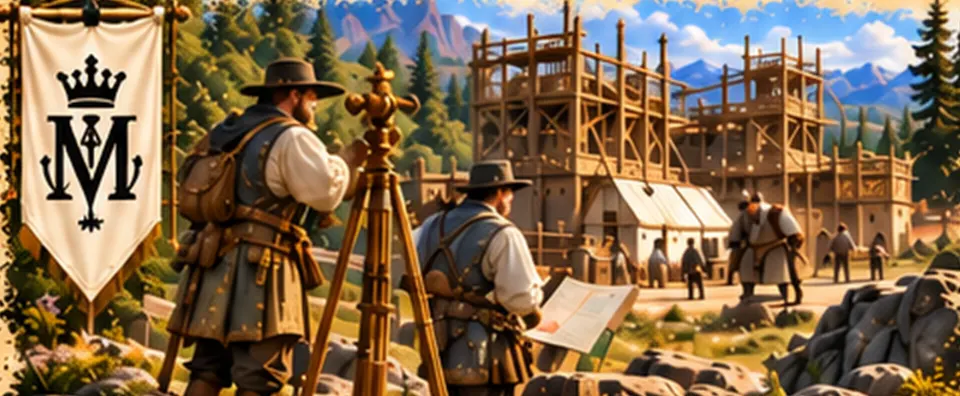
The charter colonies
are spreading west, and their surveyors are already in the river valley that everyone expects the war to start in.
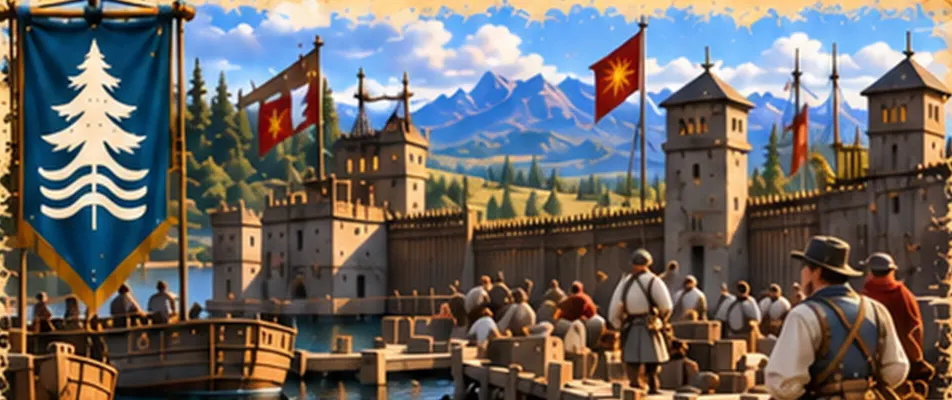
The river traders
have built a chain of forts down the great river, and their soldiers are moving into the same valley.

The southern crown
holds the south and the canyons, mints the continent's coin, and would be glad to see its rivals bleed each other.
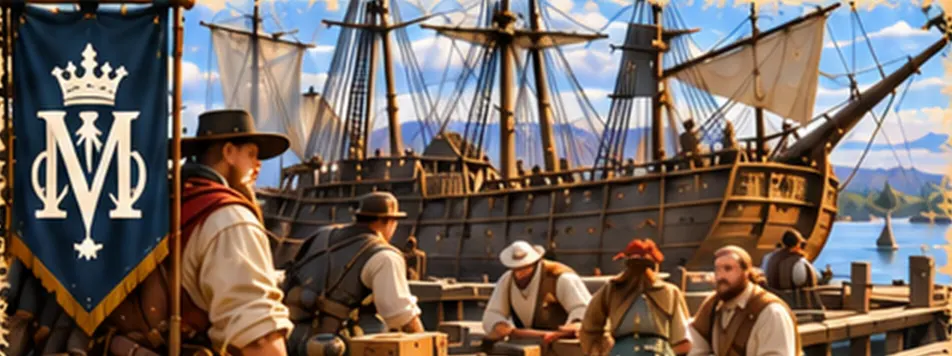
The merchant company
will sell powder to whichever side pays, and would pay almost anything to own the Worldsoul.

The seekers
keep arriving by the shipload, hungry to learn the Worldsoul, while witchfinders hunt anyone who works it.

The halfling homesteads
want only to be left alone, and lie in the path of any army that marches west.
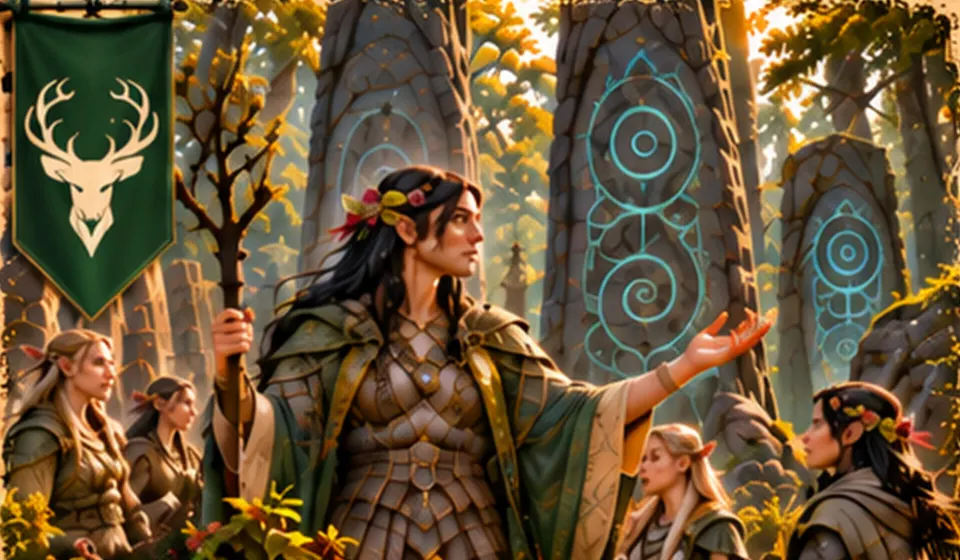
The League of the forest elves
has kept the Great Peace and stayed neutral for sixty-five years. Now both sides are pressing it to choose.

The plains elves
want the fighting kept off their grass and the trade flowing.

The river elves
carry for anyone who pays, and keep their silence about the empty mound cities.
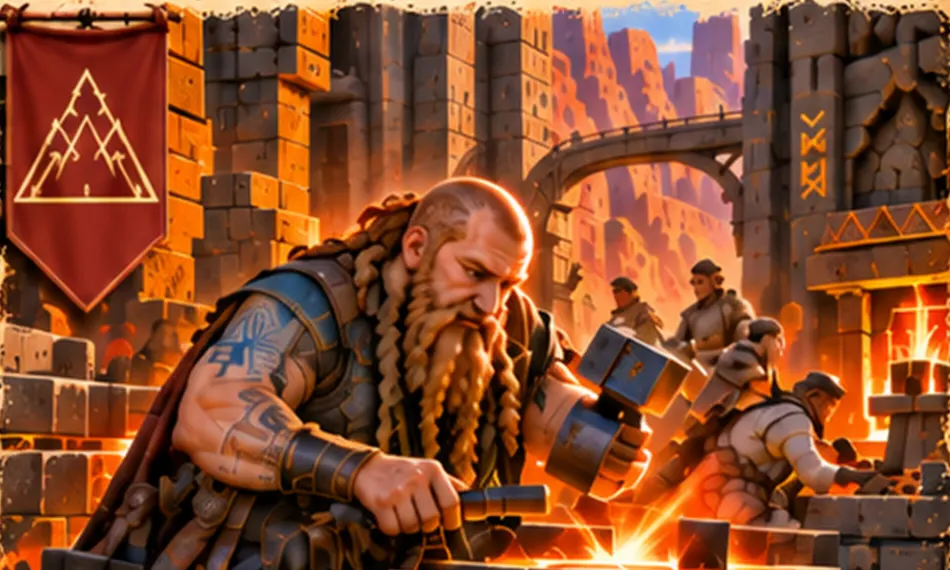
The canyon dwarves
keep their rune-forges lit behind closed doors under the crown.

The shore dwarves
keep their craft from being bought up by the newcomers.

Your characters belong to none of these powers, or not entirely.
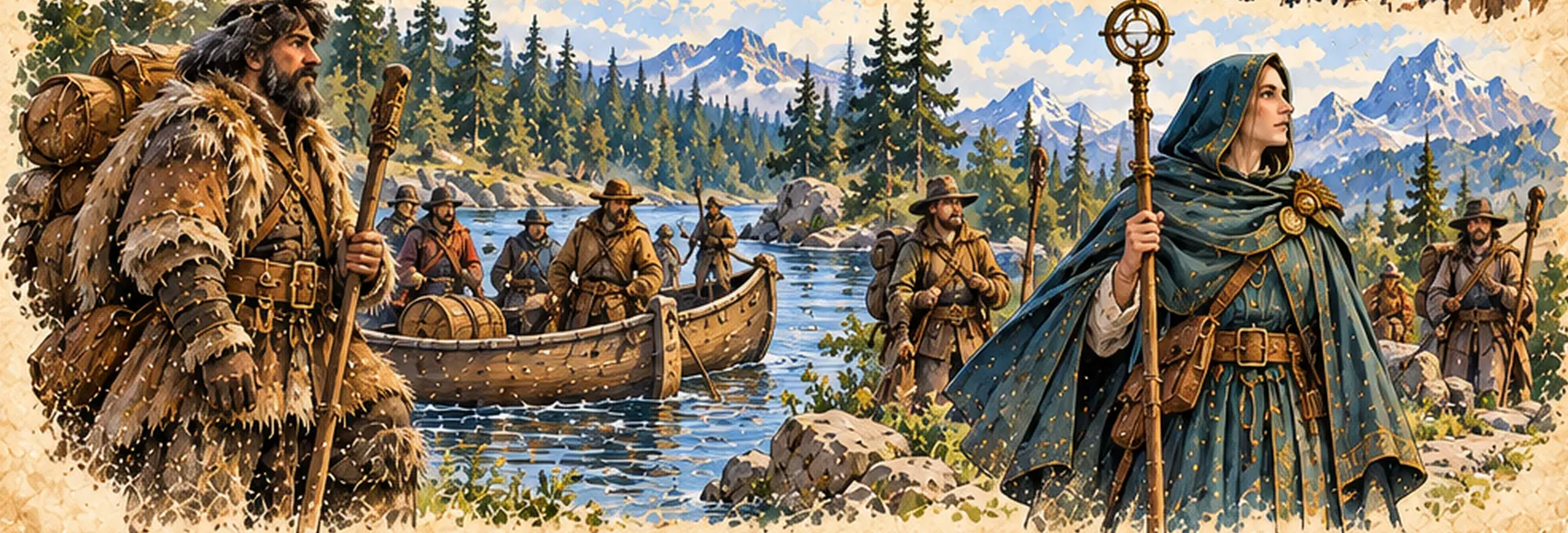
They are the ones caught between them: a trapper who knows the back trails, an envoy carrying words no one wants to hear, a deserter with a price on their head, a Keeper guarding something old, a seeker just off the boat. Where the great powers move armies, characters like these decide what happens in the places in between.
And War is coming…
The basics
This is a roleplaying game: a story told together around a table. There is no board and no winner. One person runs the world, and everyone else plays a single character in it: a trapper, an envoy, a deserter, a Keeper, a seeker just off the boat. Together you find out what happens to them on the eve of a war.
The players
Each player makes a character and speaks for them: what they say, what they want and what they try to do. A player might say their character slips out of the trading post to look at the canoes, or offers the trapper a drink and asks who came through today. Characters can be brave or careful, honest or not. They grow over many sessions, and some of them will not live to see the war end.
The GM
One player is the game master, or GM. The GM describes the world: the forest, the river, the forts and the people in them. The GM plays everyone the characters meet, from a nervous trapper to a crown officer, and every beast in the woods. The GM sets up the trouble, decides how the world answers what the characters do, and applies the rules fairly.
The conversation
Play goes back and forth. The GM describes the scene, the players say what their characters do, and the GM says what happens next. Most of the time that needs nothing more than talk.
What you need
This book, a character sheet for each player, pencils, and some dice: two six-sided dice for every player, a third six-sided die of a different colour for hit locations, and two ten-sided dice for the occasional percentile roll.
Sessions and adventures
A session is one evening of play. An adventure is one story, such as following a stolen strongbox upriver, and usually takes a few sessions.
When the dice come out
Sometimes during an adventure a character tries something where the outcome is in doubt: a shot across the clearing, a lie told to a suspicious officer, a climb up a rain-slick cliff. When that happens, talk is not enough. The dice decide, and that is the roll.

The roll
Every test is one roll: 2d6 + characteristic + skill rank, succeeding on a total equal to or above the difficulty.
| Difficulty | Target | Average, familiar (+3) | Above average, trained (+5) | Roll limit (+9) | With a cap talent (+10) |
|---|---|---|---|---|---|
| Very easy | 7 | 92% | 97% | 97% | 97% |
| Easy | 9 | 72% | 92% | 97% | 97% |
| Medium | 11 | 42% | 72% | 97% | 97% |
| Hard | 13 | 17% | 42% | 92% | 97% |
| Very hard | 15 | 3% | 17% | 72% | 83% |
| Nearly impossible | 17 | 0% | 3% | 42% | 58% |
The 2d6 curve
The 2d6 curve is steep: +1 near the middle is worth about +3 on a d20.
Situational modifiers
Situational modifiers are small bonuses or penalties for the conditions of the moment, such as good tools, poor light, haste or help. Each stays within −2 to +2. Separate modifiers add together, so the total on one roll can go beyond that.
Characteristic and skill rank
Characteristic + skill rank is 9 at most, for every species. A cap talent raises that limit to 10 for one characteristic's skills.
Snake eyes always fails. A roll of 1 and 1 on the two dice fails, whatever the total and whatever the difficulty. No modifier, talent or Luck can turn it into a success.

Opposed rolls

When two characters work against each other, both roll and the higher total wins.
The roll
Each side rolls 2d6 + characteristic + rank in their own skill, with their own talents and modifiers. The difference between the totals is the margin.
Ties
Ties go to the defender, or to whoever is trying to keep things as they are.
Common pairs
Here are some common opposed rolls.
| Attempting to... | Opposed by... |
|---|---|
| Deception | Insight |
| Stealth | Perception |
| Intimidation | Resist (Coercion) |
| Athletics (tug of war) | Athletics |
| Animal Handling | An animal's Resolve |
Passive opposition
When one side is not actively trying, such as a sentry half asleep or a merchant who suspects nothing, only the active side rolls. The difficulty is 7 + the other side's characteristic + rank.
Combat
Combat has its own opposed rolls, such as grappling, Feint and disarming, which follow these rules unless their own section says otherwise.

Helping
One helper or two. A character who helps with a task gives the roller +1. A second helper gives a further +1. More help than that adds nothing.
The helper must be able to do the job. They need at least Familiar rank in an advanced skill, or any rank in a basic one, and must be in a position to help.
Shared risk. If the roll fails by 5 or more, the helpers share whatever goes wrong.
Not for attacks, Resist rolls or casting. Fighting together is covered by Outnumbering, in chapter 8, and casters help each other only with rituals. Help is a modifier, not a talent, so it adds alongside one talent.
Trying again
A failed roll stands. A character may try again only if something changes: more time, better tools, a new approach, or a different character making the attempt.
Each new attempt costs the time and risk of the first, and the GM may raise the difficulty by 2 if the first failure made things worse, such as a guard now on the alert.
Character creation steps
Making a character is done in order, in the steps below. Have a blank character sheet ready, and note each result on it as you go.
- Choose a species and people. Pick human, elf, dwarf or halfling, then one people of that species, such as the river traders or the canyon dwarves. The species sets your characteristic rolls, Luck and Size. Note the languages you speak: Portage, the tongue of your people and one more (see Languages in chapter 2).
- Roll your characteristics. Roll each of the ten characteristics as shown for your species, and write the results in the Starting row. Note the caps for your species, the highest each characteristic can ever be raised, but this does not need to be recorded on your character sheet.
- Choose or roll a career. Roll percentile dice on the career table, or choose any career open to your species. Note the career and its advancement profile, which sets what every later advance costs. Each career is described in chapter 3, Careers.
- Note your starting skills. You start at Familiar rank (0) in every primary and secondary skill of your career. A human also starts at Familiar in one more basic skill of their choice, from the Adaptable talent.
- Note your starting talents. You get two species talents free: the one your whole species shares, and one of the two offered by your people.
- Take your 2 free advances. Add one advance to a primary (1) characteristic of your career (+1), and raise one primary skill from Familiar to Trained (+1).
- Work out your derived values. Wounds, Movement, both Defences, Initiative and Luck come from your characteristics and species. Fatigue starts at 0.
- Gather your trappings. Take the trappings listed for your career in chapter 3, plus travelling clothes, flint and steel, and d6 pieces.
- Pick your starting spells. A Keeper or a Hearthwarden chooses three spells from their magic skill's list: two from the Very easy tier and one from the Easy tier. A Runewright chooses two runes from those tiers instead, one of them the rune on their starting device. Other careers start with no spells. See chapter 11, Spell and rune lists, for more information.
Species and peoples
Every character is one of four species and belongs to one people of that species. See chapter 2, Species and peoples, for more information on each species, its peoples and their species talents.
| Species | People | Description |
|---|---|---|
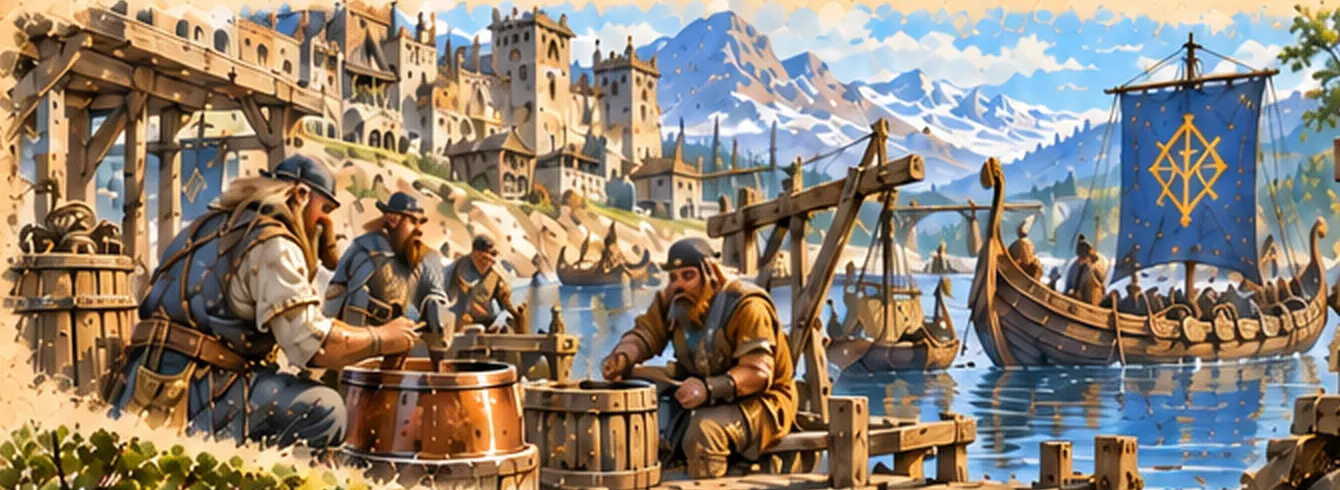
| Dwarf | Canyon dwarves | Cliff-town dwellers of the red canyon country, who keep their rune-forges lit behind closed doors under the southern crown. |
| Dwarf | Shore dwarves | Copper workers of the inland seas, and the first to cut a rune into metal. |
| Species | People | Description |
|---|---|---|
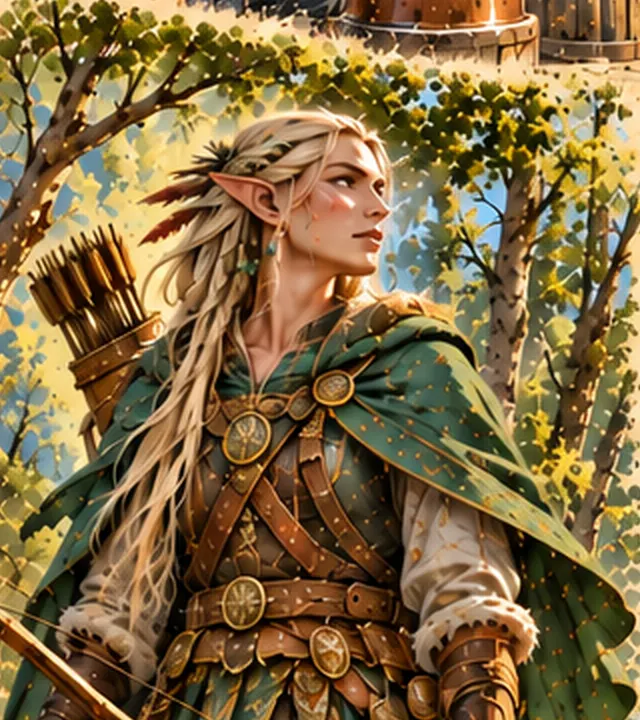
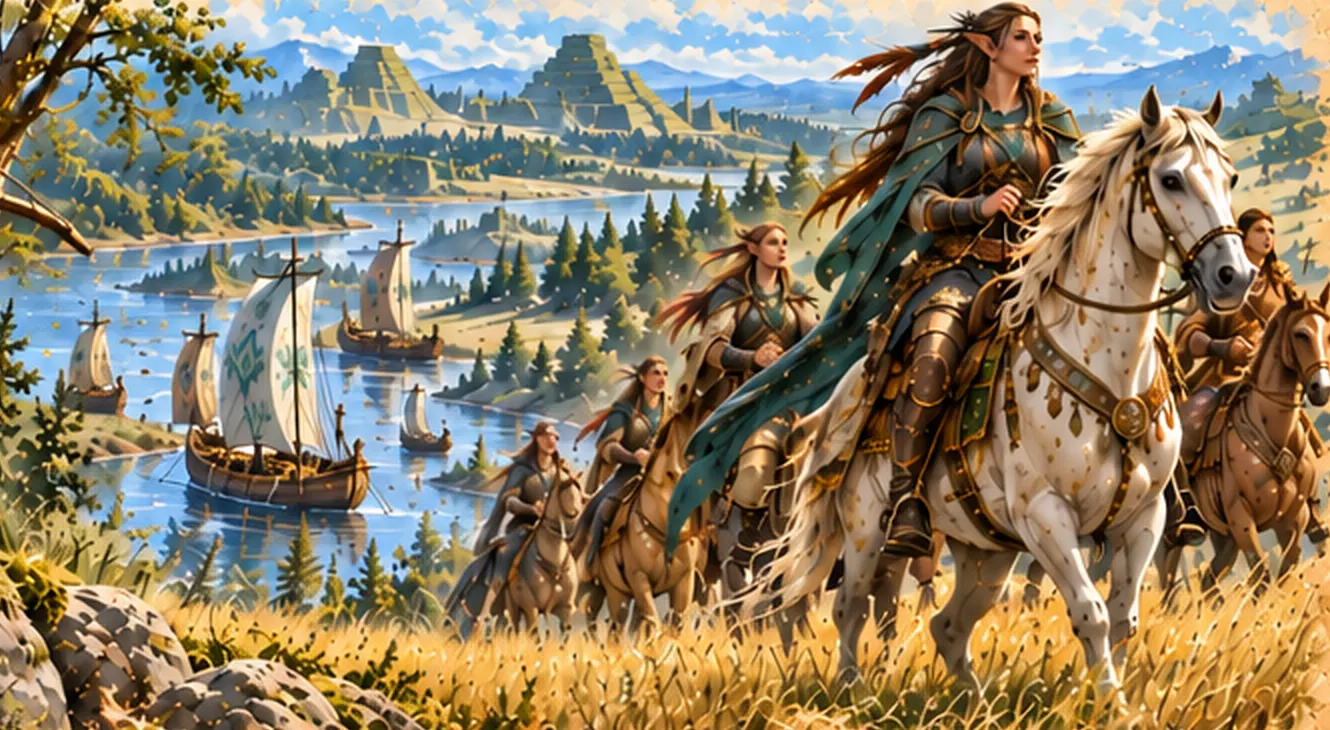
| Elf | Forest elves | The League of five nations in the eastern forest, neutral between the crowns and pressed to choose a side. |
| Elf | Plains elves | Wealthy horse riders of the western grasslands, at home with the newcomers' coin and manners. |
| Elf | River elves | The secretive boat-clans of the great river, descended from the builders of the empty mound cities. |
| Species | People | Description |
|---|---|---|
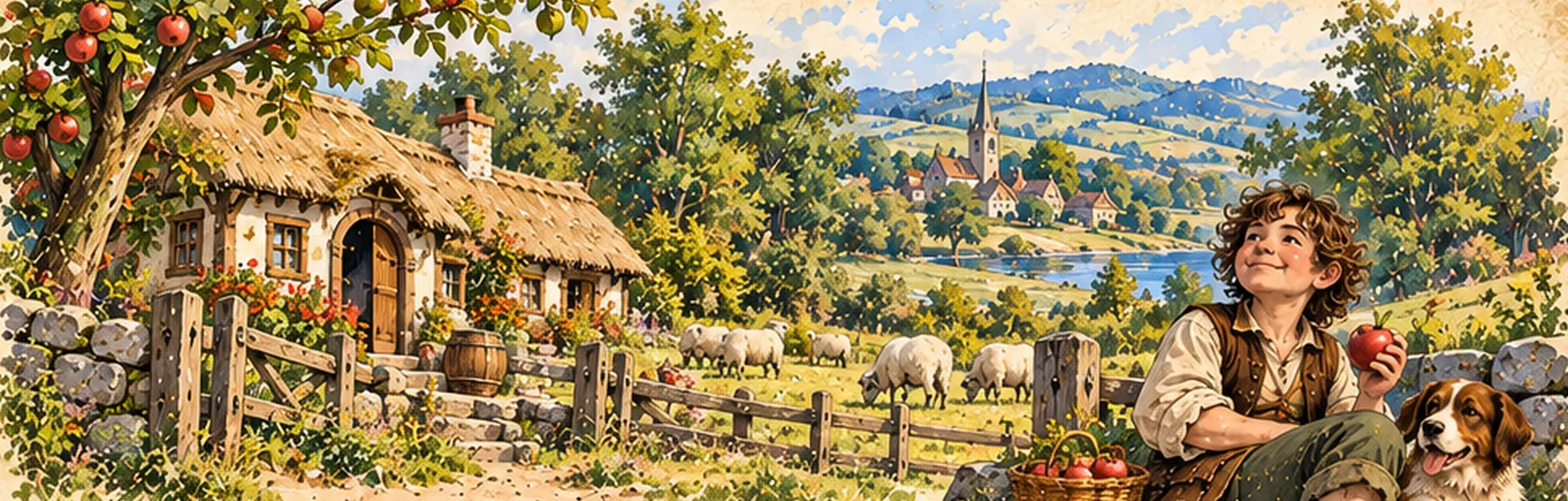
| Halfling | Halfling homesteads | Quiet farmers who bought their land fairly and want to be left alone on it. |


| Species | People | Description |
|---|---|---|
| Human | Charter colonies | Farmers, traders and militia of the eastern shore, spreading west on royal charters. |
| Human | Merchant company | Factors and agents who trade with anyone and want to own the Worldsoul. |
| Human | River traders | Fur traders who live, trade and marry among the nations along the northern rivers. |
| Human | Seekers | Newcomers from every nation of the old world, drawn by the promise of real magic. |
| Human | Southern crown | The first crown to arrive. It mints the continent's coin and forbids the Worldsoul. |

Characteristics
There are ten characteristics.
| Abbr | Characteristic | Covers |
|---|---|---|
| MS | Melee Skill | Aptitude in hand-to-hand fighting |
| RS | Ranged Skill | Aptitude with thrown and missile weapons |
| MIG | Might | Strength; adds to melee damage |
| AGI | Agility | Whole-body movement, defence, initiative; adds to damage with most ranged weapons and light melee weapons |
| END | Endurance | Physical resistance; soaks damage |
| INT | Intellect | Slow reasoning and knowledge |
| WIT | Wits | Perception and thinking under pressure |
| RES | Resolve | Mental resistance |
| PRE | Presence | Active influence; persuade, deceive, command, intimidate |
| APP | Appearance | Passive reaction from others; no skills |
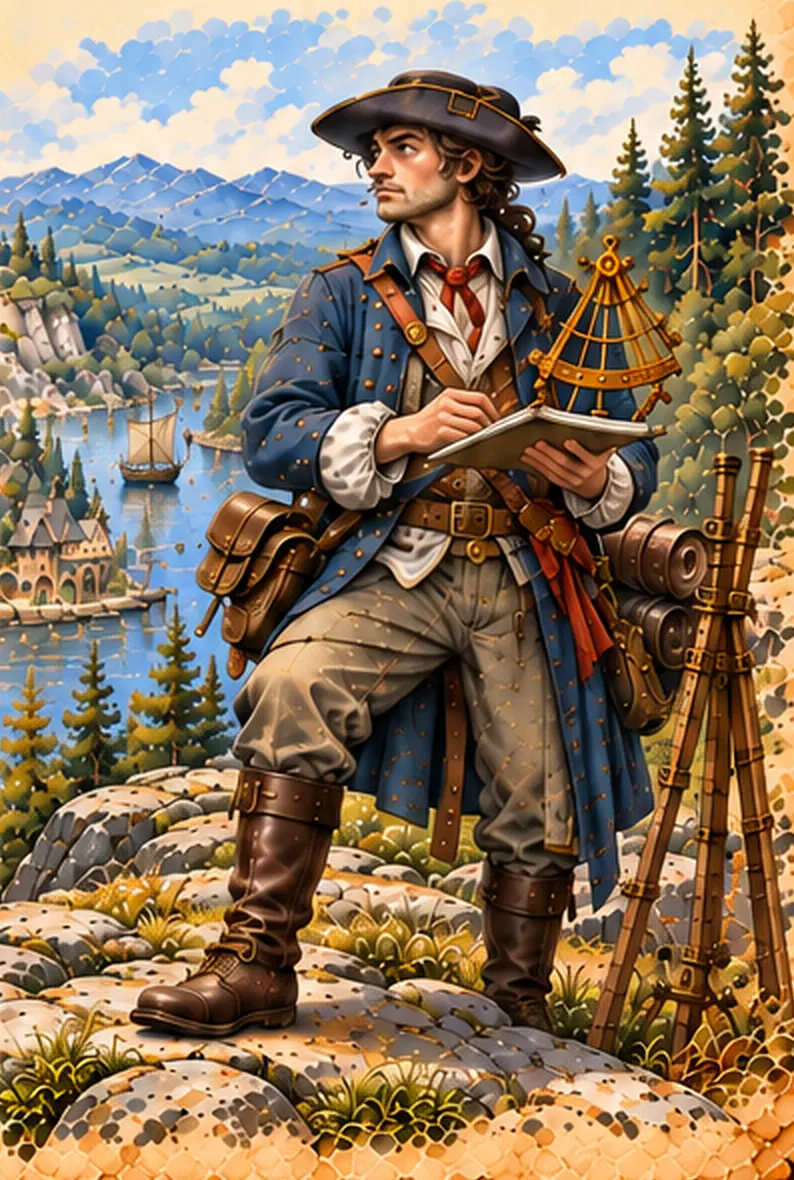
The table below uses Might as its example, and the creature examples in it are Might scores. Every other characteristic follows the same scale: 3 is an average human and 6 is the human peak. Some species can reach 7 in their strongest characteristics, and creatures can go higher still.
| Might | Meaning |
|---|---|
| 1 | Below the human starting range. |
| 2 | Low for a human |
| 3 | Average human |
| 4 | High for a human; best starting score |
| 5 | Exceptional |
| 6 | Human peak |
| 7-8 | Might of a crown stag, moss bear or riding horse. |
| 9-10 | Might of an old tusker |
| 11+ | Beyond any creature known on the frontier |
Starting characteristics
Rolling. Roll each characteristic as shown for your species in the table below. Humans roll d3+1 for all ten, giving 2 to 4 with an average of 3. Other species roll d3, d3+1 or d3+2, depending on the characteristic.
Recording. Write each result in the Starting row on the character sheet. The sheet tracks three rows: Starting, Career bonus (advances bought) and Current.
What the scores mean. Humans run 2 to 6 and creatures can go far higher. The full score always adds to a roll, however high.
| Human | Elf | Dwarf | Halfling | |
|---|---|---|---|---|
| Melee Skill | d3+1 | d3+1 | d3+2 | d3 |
| Ranged Skill | d3+1 | d3+2 | d3 | d3+2 |
| Might | d3+1 | d3+1 | d3+2 | d3 |
| Agility | d3+1 | d3+2 | d3 | d3+2 |
| Endurance | d3+1 | d3 | d3+2 | d3 |
| Intellect | d3+1 | d3+1 | d3+1 | d3+1 |
| Wits | d3+1 | d3+1 | d3+1 | d3+1 |
| Resolve | d3+1 | d3+1 | d3+2 | d3+1 |
| Presence | d3+1 | d3+1 | d3 | d3+2 |
| Appearance | d3+1 | d3+2 | d3 | d3+1 |
| Luck | 3 | 1 | 2 | 4 |
| Size | Medium | Medium | Medium | Small |
Career
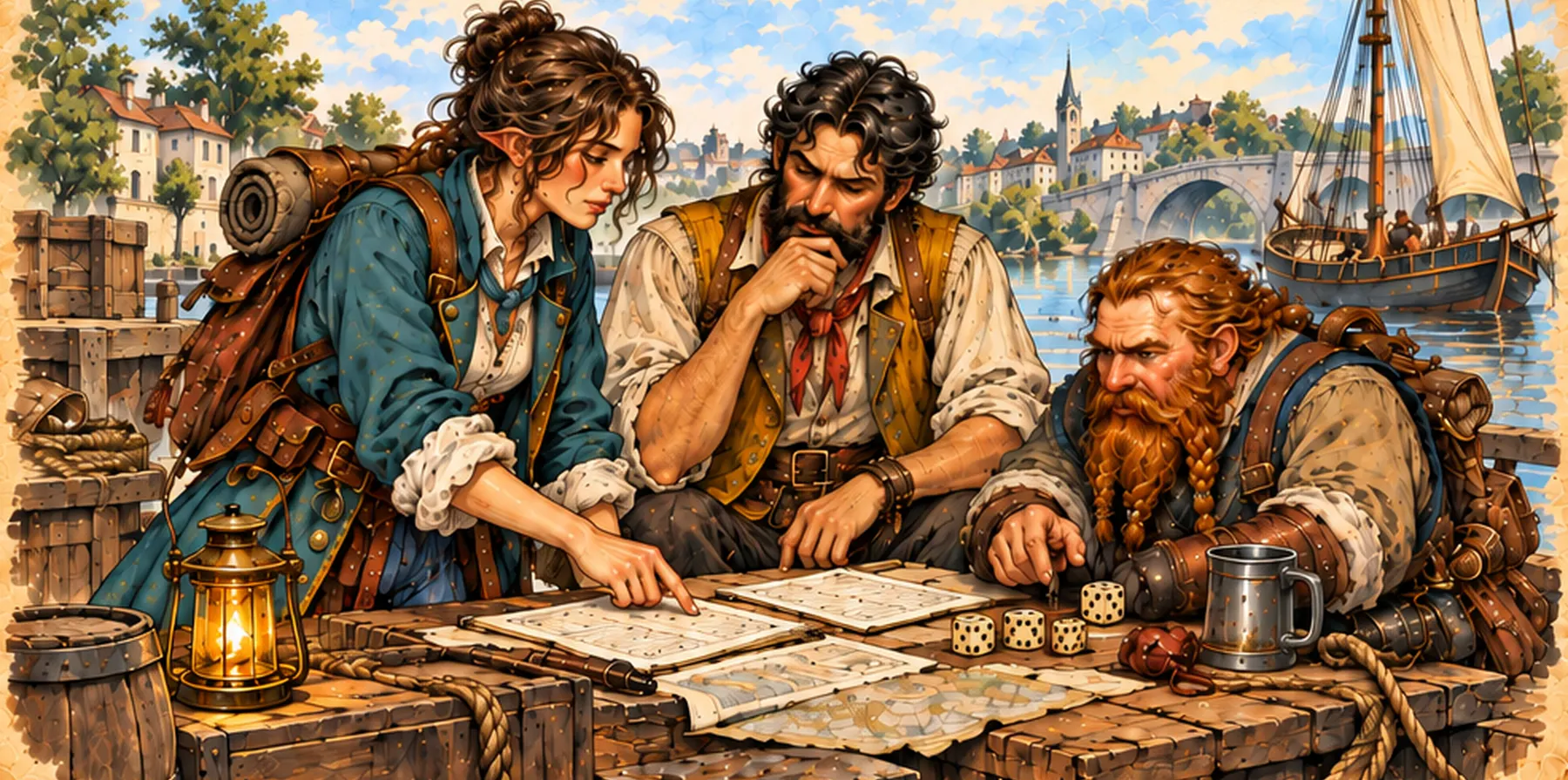
To find a career at random, roll two d10s as a percentile: one die is the tens and the other the units, and a roll of 00 counts as 100. Read the result in your species' column. A player may always choose instead, from any career that is not marked None for their species.
| Career | Human | Elf | Dwarf | Halfling |
|---|---|---|---|---|
| Acrobat | 01-03 | 01-04 | 01 | 01-05 |
| Antiquarian | 04-06 | 05-08 | 02-06 | 06-08 |
| Barber-Surgeon | 07-10 | 09-10 | 07-10 | 09-13 |
| Bowman | 11-12 | 11-22 | 11 | 14-17 |
| Charlatan | 13-16 | 23-24 | 12-13 | 18-23 |
| Duellist | 17-19 | 25-28 | 14-15 | 24 |
| Envoy | 20-22 | 29-35 | 16-20 | 25-29 |
| Hearthwarden | 23 | 36 | 21 | 30-37 |
| Highwayman | 24-27 | 37-38 | 22-23 | 38-40 |
| Housebreaker | 28-31 | 39-40 | 24-26 | 41-47 |
| Keeper | 32 | 41-48 | 27 | 48 |
| Lancer | 33-35 | 49-54 | 28 | None |
| Minstrel | 36-39 | 55-60 | 29-31 | 49-55 |
| Pilgrim | 40-43 | 61-64 | 32-36 | 56-61 |
| Powderman | 44-47 | None | None | 62-63 |
| Privateer | 48-52 | 65-66 | 37-40 | 64-66 |
| Prizefighter | 53-56 | 67 | 41-47 | 67 |
| Raider | 57-58 | 68-73 | 48-56 | None |
| Rifleman | 59-63 | None | None | 68-71 |
| Runewright | 64 | 74 | 57-64 | 72 |
| Soldier | 65-72 | 75-77 | 65-74 | 73-74 |
| Surveyor | 73-77 | 78-80 | 75-80 | 75-79 |
| Sworn Guard | 78-82 | 81-84 | 81-89 | 80-81 |
| Thief-Taker | 83-86 | 85-86 | 90-93 | 82-85 |
| Trapper | 87-91 | 87-93 | 94-97 | 86-92 |
| Witchfinder | 92-94 | None | None | 93 |
| Woods Runner | 95-00 | 94-00 | 98-00 | 94-00 |
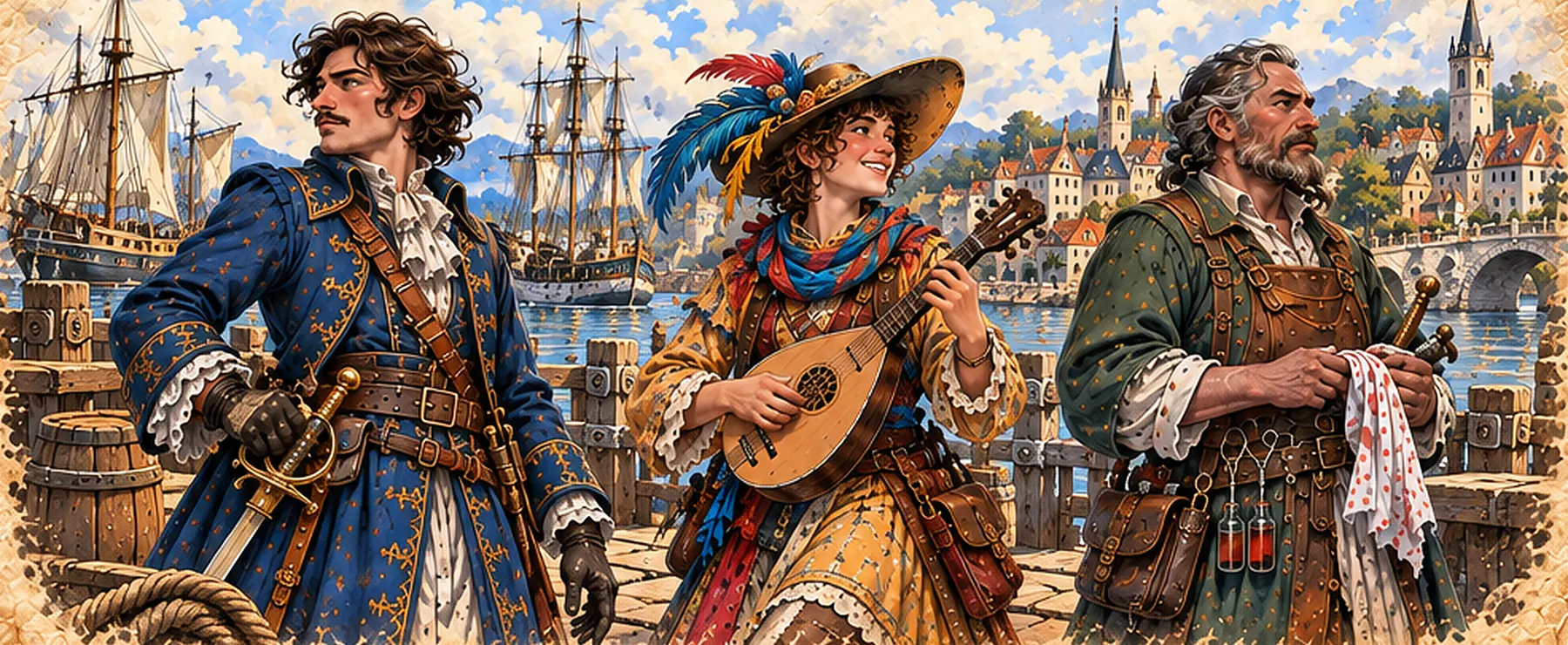
Note your career and its advancement profile on your character sheet. The profile is the line of cost multipliers beside the career's name in chapter 4, Careers.
Closed careers. Elves and dwarves never took up gunpowder, so neither can be a Powderman or a Rifleman, and neither serves as a Witchfinder. Halflings are too small to be Lancers or Raiders.
The three magic careers are open to every species but are rare outside the people whose tradition it is, because a teacher is hard to find.
Each career is described in full in chapter 4, Careers.
Starting skills
A new character starts at Familiar rank (0) in every primary and secondary skill of their first career. Where the career lists a skill as (all), that means every group of the skill.
Humans also start at Familiar in one more skill, from the Adaptable talent: any basic skill, or basic group of a grouped skill, that is not on their first career's lists. It is still a skill outside the career, so later ranks in it cost triple.
Entering a later career gives no starting ranks. See Changing career in chapter 3, Careers.
Skill descriptions and the rules for skills are in chapter 4, Skills.
Starting talents
A new character starts with two species talents, free: the one shared by their whole species, and one of the two listed for their people. See chapter 2, Species and peoples.
Every other talent must be bought with experience.
Talent descriptions and the rules for talents are in chapter 5, Talents.
Starting advances
A new character gets one free advance (+1) in a primary (1) characteristic from their first career.
A new character also gets one free advance in a single primary skill of their first career, raising it from Familiar (0) to Trained (+1).
The free advances count as bought. The next advance in that characteristic, its second, costs the normal amount for a second advance, and the next rank in that skill, Expert (+2), costs the normal amount for Expert. See chapter 7, Advancement.
Entering a later career gives no free advances. See Changing career in chapter 3, Careers.
Derived values
Work out these values and record them on the character sheet. How each one is used is explained later in the rules.
| Value | Formula | What it is |
|---|---|---|
| Wounds | (Endurance + Resolve) x 2 | How much harm the character can take before suffering critical wounds. |
| Movement | 3 + Agility, or 2 + Agility for halflings | How many paces the character covers with one Move action. |
| Melee Defence | 7 + Melee Skill + half Agility, rounded down | The total a melee attack roll must reach to hit the character. |
| Ranged Defence | 8 + Agility | The total a ranged attack roll must reach to hit the character. |
| Initiative | Agility, highest first, no roll | When the character acts in each round of a fight. |
| Luck | Human 3, Elf 1, Dwarf 2, Halfling 4; refills each session | Points to spend to add to your roll. See the next page for rules on spending Luck. |
| Fatigue | Starts at 0. Each fight adds 1, whether you fight, cast spells or both. Outside a fight, each spell after the first in a scene adds 1, and rituals add ritual Fatigue. See Fatigue in chapter 9, Injury and recovery, for more details. | Physical and mental tiredness, which builds up and weakens casting and attacks until the character rests. |
Luck
Luck is a derived value, like Movement and the Defences, and is not one of the ten characteristics. Its value is set by species. It is a pool of points to spend, not a score that adds to rolls.
Spending Luck. Spend 1 Luck to add +1 to a roll you make. You may spend several points on one roll.
After the roll. Luck is spent after the dice are seen.
Limits. Luck is outside the roll limit and the one-talent-per-roll rule.
Recovery. Luck returns to full at the start of every session.
Increasing Luck. Luck cannot be raised with experience. Only the Lucky talent raises it, by 1.
What talents are
Talents are special abilities. Some let a character do something no one else can, such as disarming a foe without penalty, reloading a crossbow faster or shrugging off the Fatigue of a fight. Most give a bonus to a skill in a particular situation, such as +1 Survival to track and hunt, or +1 Stealth in the wilderness. All talents are described in chapter 5, Talents.
Talents make easy tasks automatic. If you have a talent that covers what you are doing, and at least Familiar rank in the skill, you pass any Very easy (7) or Easy (9) roll with that skill without rolling. A character with Scale Sheer Surface climbs an ordinary wall without a roll, and a character with Hunter's Eye follows a fresh trail without one. This never applies to attack rolls or Resist rolls. You may always choose to roll anyway, for the chance of a better margin.

Characters start only with the two talents from their species. The rest must be purchased with experience.