MagicChapter the Tenth


Magic
Magic on the continent is subtle. Nobody turns invisible, flies or vanishes from one place to another, the dead stay dead, and the largest workings are slow rituals. The spell and rune lists are in chapter 11, Spell and rune lists.
The three magic skills
All three magic skills draw on the same source, the Worldsoul, which works only on the new continent. Elves call it the Breath or the Soul, dwarves the Deep and halflings the Hearth. Each is advanced and belongs to exactly one career, so no other career can learn it. Each tradition is described in its own section below.
Any species can learn any of the three, but a trainer or a book is hard to find.
A finished rune device can be used by anyone in the new world. Rune Magic is needed only to make one. Devices stay rare because few people can make them, each takes a long time to make, and the materials are scarce. Making a device is downtime work, and the materials must be found or bought at great cost.
Ordinary use never depletes the Worldsoul.
Casting Casting is a straight roll: 2d6 + the skill's characteristic + rank in the magic skill, against the spell's difficulty.
Spell difficulties Spell difficulties use the same ladder as every other roll:
Very easy Easy Medium Hard Very hard Nearly impossible 7 9 11 13 15 17
Fatigue Fatigue is a penalty on casting rolls. In a fight, spells add nothing beyond the fight's 1 Fatigue. Outside a fight, the first spell in a scene is free and each spell after it adds 1 Fatigue. Rituals cost ritual Fatigue. See Fatigue in Injury and recovery.

How spells work
Casting. Roll 2d6 + the skill's characteristic + rank in the magic skill, less Fatigue and ritual Fatigue. Soul Magic uses Resolve and Hearth Magic uses Presence. The roll is against the spell's difficulty. The margin is the amount by which the total beats the difficulty.
Range. Self; Touch, a target at Melee range that you lay a hand on; Near, within one move; Far, within bowshot; Sight. The distances are in Range and distance, in Combat.
Duration. Instant; a scene, meaning one fight or about ten minutes; an hour; a day. A few rituals last a week, a season or a year, as their entry says. Until ended means the spell lasts until the condition in its entry is met, or until it is unravelled. An Instant spell can leave a lasting result, such as a mended strap or a lost memory, but nothing is left running.
Resisting. An unwilling target rolls Resist (Enchantment). If the roll equals or beats the caster's total, the spell has no effect on that target. A target who fails stays affected for the spell's whole duration, unless the entry gives them another roll or says what ends it. Willing targets do not roll. When a spell affects several targets, each resists separately. A creature, which has no Resist skill, rolls 2d6 + Resolve.
Damage. A damaging spell hits without an attack roll. Roll the location die. The damage dealt is the spell's Damage + the caster's casting characteristic + margin, less the target's Endurance and armour at that location. The margin can add no more than the spell's own Damage. The casting characteristic, Resolve for Soul Magic and Presence for Hearth Magic, adds to spell damage the way Might adds to a melee blow. When a spell harms several targets, roll a location and work out damage for each one separately.
Healing. A healing spell restores the fixed amount shown. Neither the margin nor the casting characteristic adds to it.
Starting spells. A new Keeper or Hearthwarden knows three spells of the player's choice from their own list: two from the Very easy tier and one from the Easy tier.
One at a time. A caster can keep only one spell with a lasting duration running. Casting another ends the first. Rituals, and spells that last until ended, do not count against this.
Rituals. A spell marked Ritual follows its own rules; see How ritual spells work, below.
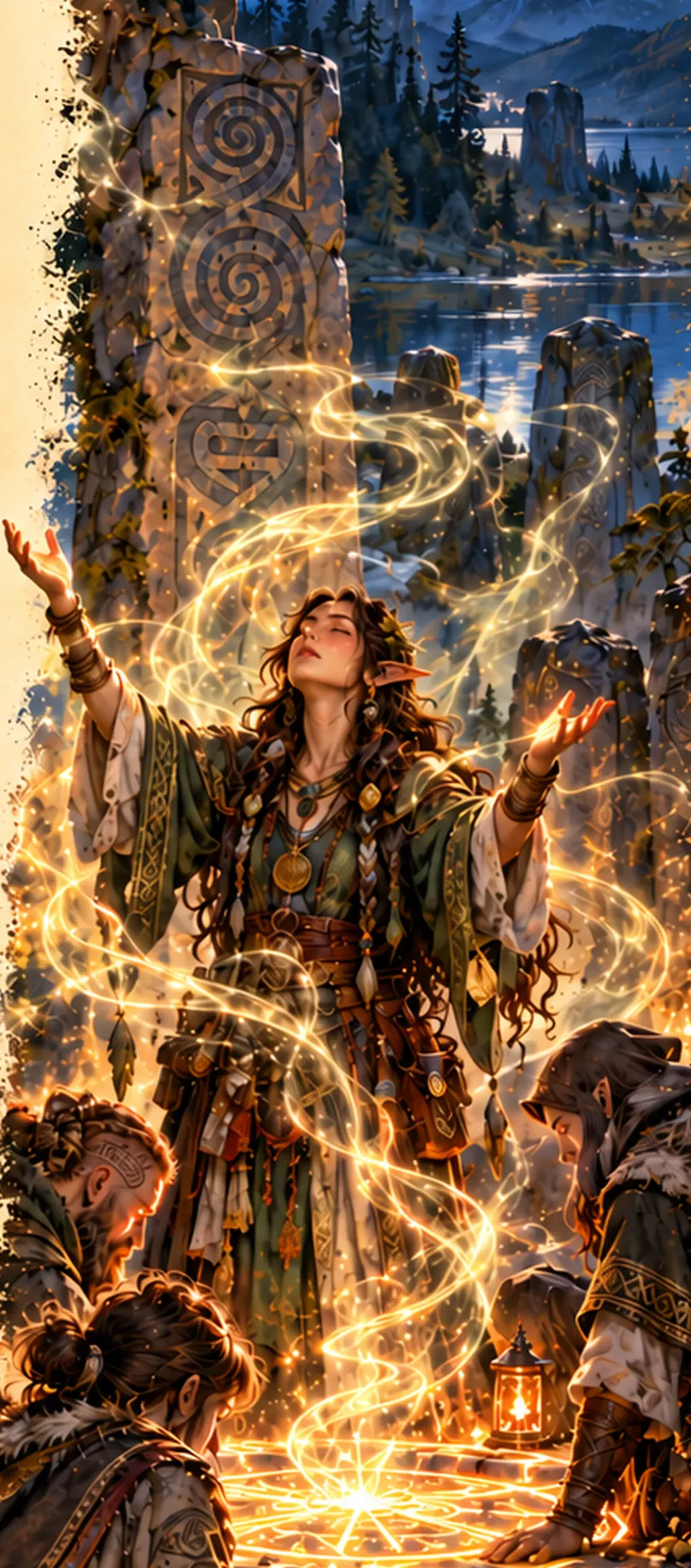
How ritual spells work
The greatest workings of the Worldsoul are rituals: long, careful castings that only a master can lead. A spell marked Ritual in the spell lists follows every rule in How spells work, with these changes.
Who can cast one. Only a caster with Master rank in the spell's magic skill.
Time. A ritual takes at least an hour of unbroken work, and some take a full night. It cannot be cast in a fight.
The roll. The leader of the ritual rolls to cast it as normal, against the spell's difficulty. Only the leader rolls.
Ritual Fatigue. A ritual costs the leader ritual Fatigue by the spell's difficulty, as shown below, whether it succeeds or fails. A ritual does not count as a spell in the scene for ordinary Fatigue.
| Difficulty | Ritual Fatigue |
|---|---|
| Hard (13) | 4 |
| Very hard (15) | 6 |
| Nearly impossible (17) | 8 |
Tracking it. Ritual Fatigue is tracked separately from ordinary Fatigue, but counts toward the same penalty on casting and attack rolls.
Recovering from it. A short rest does not remove ritual Fatigue, and a night's rest removes only 2 of it. A week of downtime rest clears it; see Recovering in chapter 14. No talent reduces it.
Helpers. Each helper who has the same magic skill at Trained or better, and takes part for the whole ritual, lowers the leader's cost by 1 and takes 1 ritual Fatigue themselves. The leader's cost cannot fall below half: 2 at Hard, 3 at Very hard and 4 at Nearly impossible.
Soul Magic
| Skill | Career | Tradition | What it is |
|---|---|---|---|
| Soul Magic* [RES] | Keeper | Forest elves, river elves and plains elves | The mystical, holistic working of the Worldsoul itself, which elves call the Breath or the Soul. |

Soul Magic is the working of the Worldsoul itself, the elven art kept by the Keepers. Elves call the Worldsoul the Breath or the Soul. The river elves have an older word for their way of working it, the Braiding, and the plains elves call theirs the Under-Song.
How it works. A Keeper does not command the Breath; they hold it. Each spell is a moment of stillness in which the Keeper draws on the Worldsoul around them and shapes it with a word, a gesture or a held breath. That is why Soul Magic is cast with Resolve: steadiness of will matters more than learning.
What it can do. Soul Magic has the widest reach of the three traditions. It heals (Breath of Mending, Greater Mending), senses and hides (Sense the Breath, Trackless, Fade), works on the mind (Sleep-song, Hold, Bind the Will), and calls on the land and sky to strike (Soul Dart, Thorn-lash, Skyfire). Many spells need growing things underfoot or an open sky.
Its greatest workings are rituals that only a master Keeper can lead, such as Dream-sight, Call Storm, Speak with the Dead, the Long Road and the Great Ward.
How it looks. Casting is quiet and easy to miss, which is why newcomers fear it. A Keeper may seem only to pause, touch a shoulder or murmur.
Who learns it. Only a Keeper can learn Soul Magic. Elves take to it most readily, and only elves can take the Soul-Born talent. Keepers seldom teach outsiders, and the southern crown and the charter colonies send witchfinders after those who practise it.
Starting spells. A new Keeper knows three Soul Magic spells: two from the Very easy tier and one from the Easy tier. The full list is in Soul Magic spells, in chapter 11.
Hearth Magic
| Skill | Career | Tradition | What it is |
|---|---|---|---|
| Hearth Magic* [PRE] | Hearthwarden | Halfling homesteads | A simpler, less aggressive magic of home, table and field. |
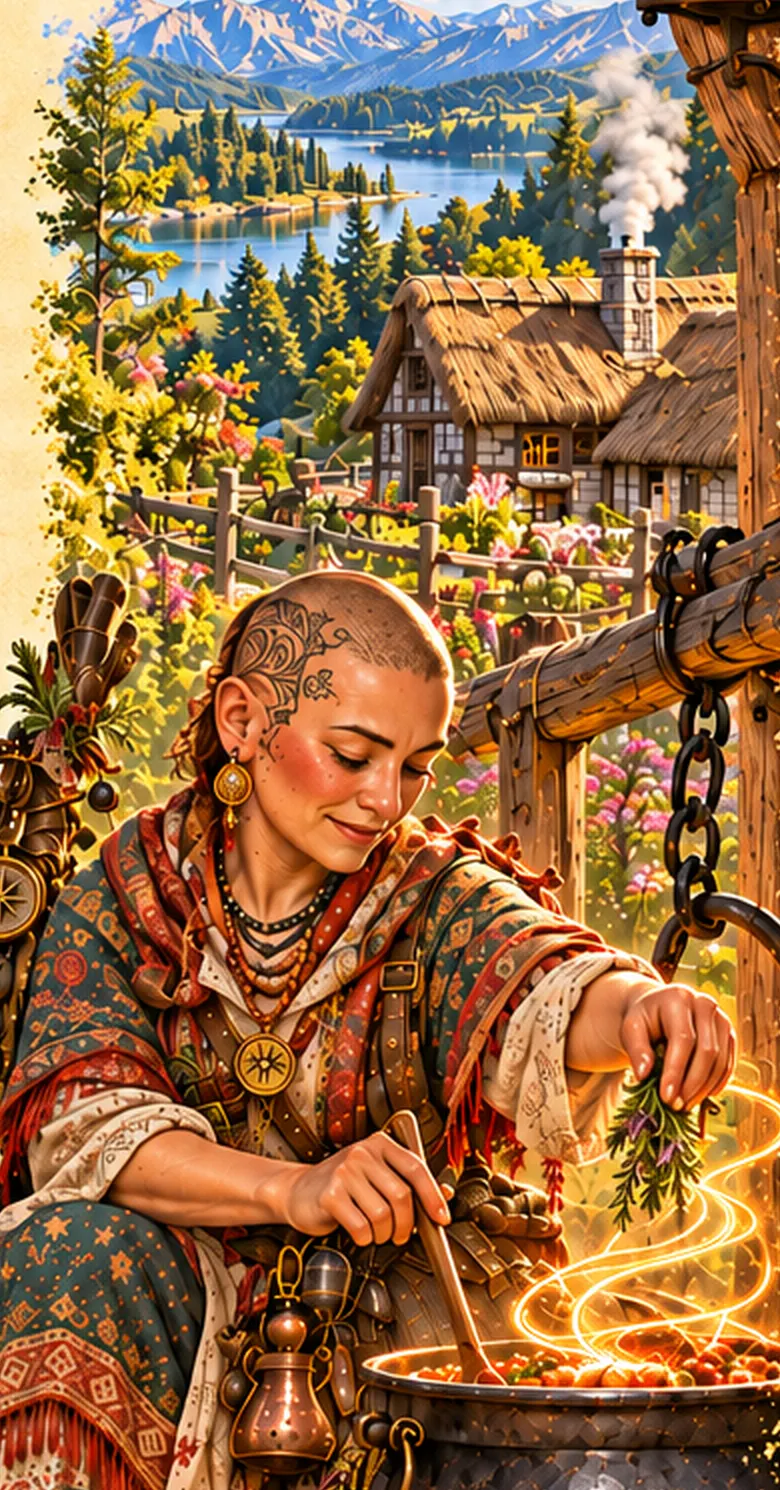
Hearth Magic is the halfling tradition, which they call the Hearth. Its business is the home and the people in it: food, rest, shelter, healing and welcome, and keeping harm outside the door.
How it works. Hearth Magic runs through the bonds of household and hospitality: a shared meal, a lit fire, a doorway, a guest under the roof. That is why it is cast with Presence: the hearthwarden's warmth and authority as a host are what make it work.
What it ties to. Many spells depend on those bonds. Some reach only people who have eaten with the caster (Find the Lost, Table Truce, Guest-right). Others ward a doorway, house or camp (Threshold, Hearth-ward, Unwelcome), or work through a fire already burning (Bank the Fire, Spitting Fire).
What it can do. It is strong at healing (Kitchen Physic, Mother's Care, Full Table), at protection and shelter (Good Wool, Stout Door, Sound Roof), and at making peace (Settle, Peace of the Hearth, Sanctuary). It has almost nothing that attacks.
How it is seen. Those who hunger for the Worldsoul overlook Hearth Magic, and those who want the Worldsoul ended rarely think it worth burning. That suits the homesteads.
Who learns it. Only a Hearthwarden can learn Hearth Magic. Halflings learn it at home, and few outsiders are ever invited to.
Starting spells. A new Hearthwarden knows three Hearth Magic spells: two from the Very easy tier and one from the Easy tier. The full list is in Hearth Magic spells, in chapter 11.


Rune Magic
| Skill | Career | Tradition | What it is |
|---|---|---|---|
| Rune Magic* [INT] | Runewright | Canyon dwarves and shore dwarves | Magic channelled through technology and runes. The skill is for making rune devices. |
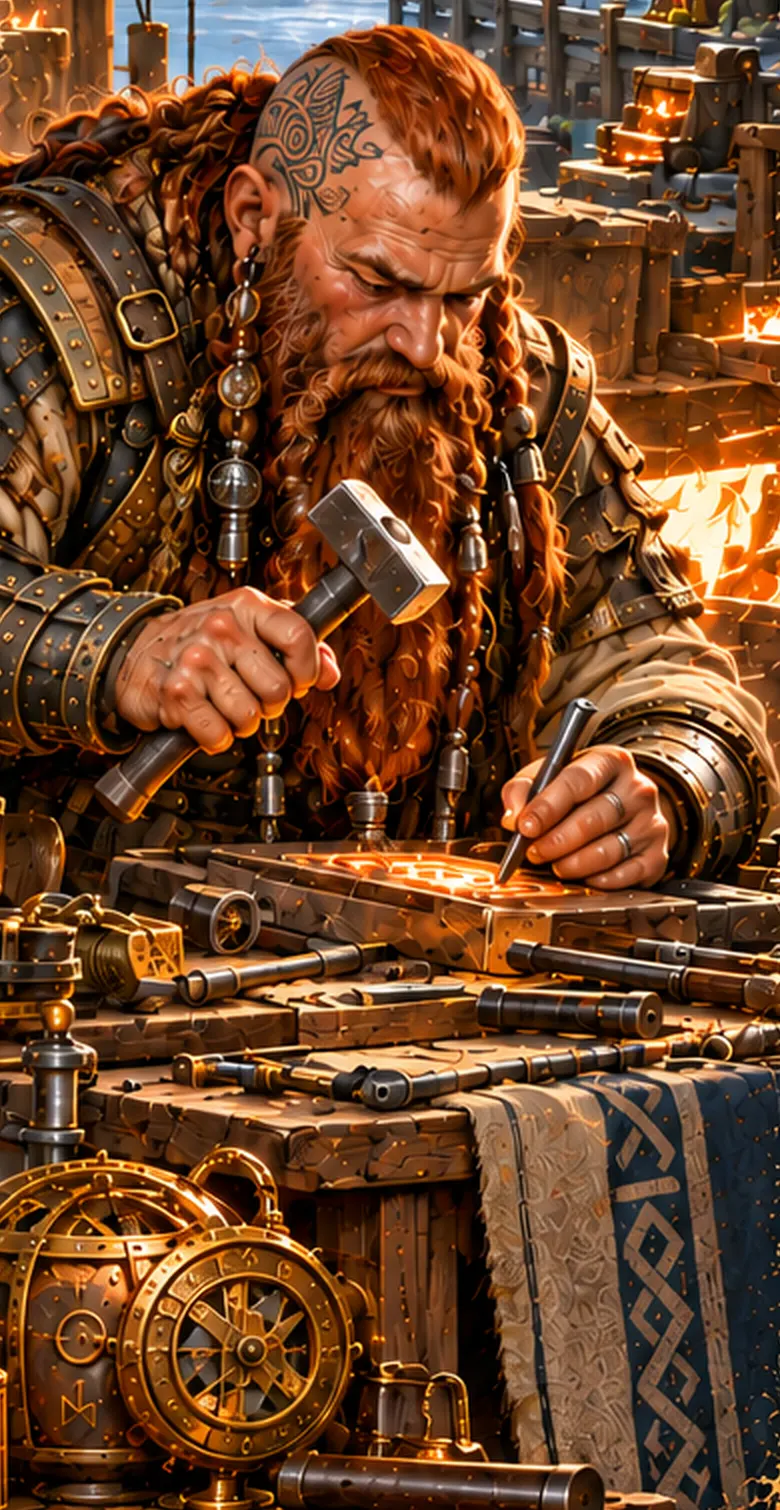
Rune Magic is the dwarven tradition, which they call working the Deep. It casts nothing. A runewright cuts a rune into a made thing, and the rune makes that thing better at what it already does: a blade keener, a lock surer, a wheel that turns itself. The shore dwarves were the first to cut a rune into lake copper, and every runewright on the continent works in a craft that began with them.
Making is downtime work. It takes the time and the materials shown for the device's difficulty. At the end, the runewright rolls 2d6 + Intellect + Rune Magic rank against the difficulty.
A failed roll by 1 or 2 means the work needs half as long again, and the roll is made once more. A failure by 3 or more ruins the materials.
Masterworks: devices of Very hard and Nearly impossible difficulty need Master rank in Rune Magic.
No Fatigue. Making a device costs time and materials, not Fatigue.
One rune to an object. A second rune will not take. A rune cut into a suit of armour goes into the body piece and works for every piece worn with it, and no other piece of that suit will then take a rune.
Bonuses from different devices add together. A Ward-rune amulet and a Sunder-rune weapon give +3 on Resist (Enchantment) between them. Devices are rare enough that this seldom matters. A device's bonus is not a talent, so it also adds alongside one.
Using a device needs no skill. Anyone in the new world can use one.
Away from the workshop the Rune Magic skill itself has no use. A runewright acts only through the devices they carry.
Passive and woken. Passive runes work all the time. Woken runes do nothing until the holder wakes them, which can be done once per day; the effect then lasts a scene unless the entry says otherwise.
Gunpowder: only a woken rune counts as magic used nearby for misfires. Passive runes do not foul powder.
Who learns it. Only a Runewright can learn Rune Magic. Dwarves seldom teach outsiders, and every trading company wants a runewright on its books.
Starting runes. A new Runewright knows two runes from the Very easy or Easy tiers and owns one device carrying one of them. More runes are learned as spells are; see Learning spells and runes in chapter 7. The full list is in Rune Magic runes, in chapter 11.
Rune Magic Costs
| Difficulty | Making time | Materials |
|---|---|---|
| Very easy (7) | 1 week | 5 pieces |
| Easy (9) | 2 weeks | 15 pieces |
| Medium (11) | 1 month | 40 pieces |
| Hard (13) | 3 months | 100 pieces |
| Very hard (15) | 6 months | 250 pieces |
| Nearly impossible (17) | 1 year | 600 pieces |
Splitting the work. Making can be set aside and taken up again in a later downtime, as long as the work and its materials are kept safe in the meantime. The weeks need not run in a row, but every week still counts against the making time.
A workshop. Making needs a forge, a bench and the right tools. A runewright who has none of their own can hire space in a dwarven town for about 1 piece a week, or work at a forge in exchange for a favour. Outside a dwarven town, finding one is a Seeking out roll.
Materials in kind. Materials can be paid for in goods at their listed prices, or partly in favours: a favour owed by someone of standing covers up to half the cost. A rare material found on an adventure, or through Seeking out, can stand in for a quarter of the cost of a Hard or harder device.
Commissions. A runewright working for someone else charges the materials plus a fee about equal to them, usually taken as a favour, and takes the usual making time. Dwarves seldom take commissions from outsiders for anything above Medium.
A second pair of hands. Another runewright who knows the rune can work alongside the maker, which cuts the making time by a quarter. Both must spend the weeks, and the maker still makes the roll.
Keeping it quiet. In the colonies and in crown country, a workshop is a hanging matter if the witchfinders find it. The GM may call for a Stealth or Deception roll for each season of work done in the open, or make the downtime event roll for that period more dangerous.